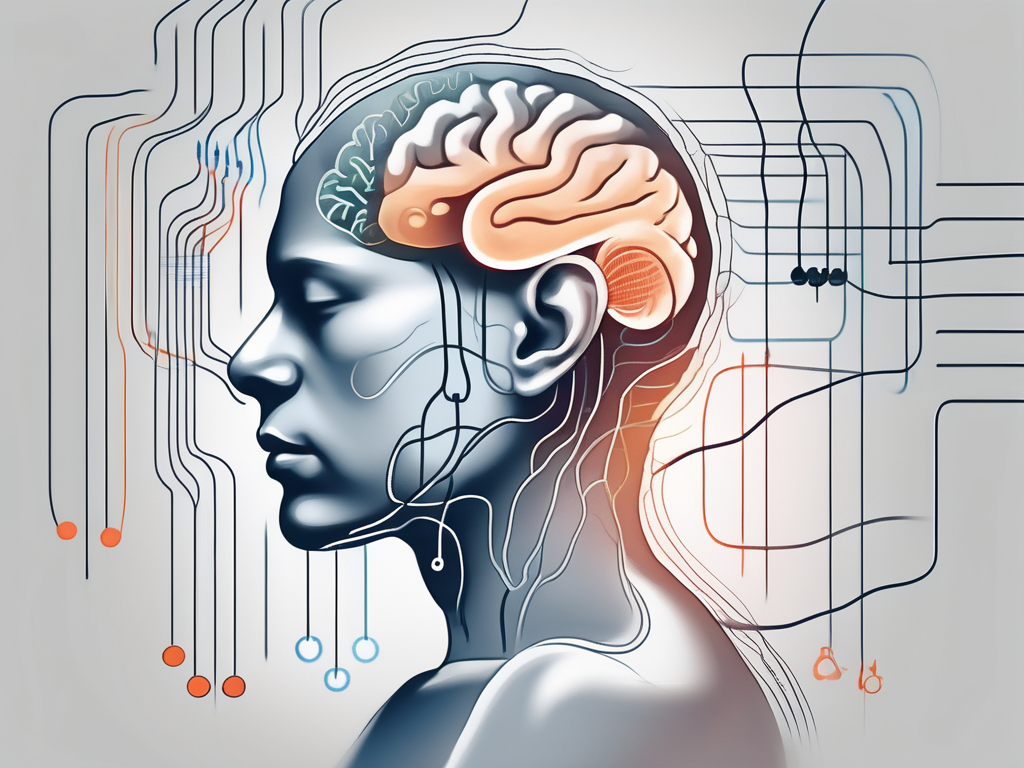
In recent years, the use of percutaneous auricular nerve stimulation has gained attention for its potential impact on patient health. This comprehensive analysis aims to shed light on the science behind this innovative procedure, its medical applications, the impact on patient health, as well as the potential risks and complications involved. Furthermore, we will explore the future of percutaneous auricular nerve stimulation and the ongoing research and developments in this field.
Understanding Percutaneous Auricular Nerve Stimulation
Percutaneous auricular nerve stimulation, also known as PANS, is a non-invasive procedure that involves the electrical stimulation of specific nerves in the ear. These nerves are believed to be connected to various parts of the body, including organs and systems. By stimulating these nerves, PANS aims to trigger physiological responses that can have beneficial effects on patient health.
The Science Behind Percutaneous Auricular Nerve Stimulation
The science behind percutaneous auricular nerve stimulation lies in the complex network of nerves that exist within the ear. These nerves, known as cranial nerves, play a crucial role in transmitting sensory information between the ear and the brain. By strategically stimulating these nerves, PANS can potentially influence the functioning of various body systems, ranging from the cardiovascular system to the endocrine system.
Within the ear, there are specific points known as acupoints that are believed to correspond to different organs and systems in the body. These acupoints are part of the ancient Chinese practice of acupuncture, which has been used for centuries to promote healing and balance in the body. PANS utilizes similar principles by targeting these acupoints in the ear to stimulate the associated nerves and promote positive physiological responses.
Research suggests that percutaneous auricular nerve stimulation can activate the release of various neurotransmitters and neuropeptides, such as endorphins, serotonin, and dopamine. These substances play essential roles in modulating pain perception, mood, and overall well-being. By harnessing the power of these neurotransmitters, PANS offers a potential non-pharmacological approach to managing pain and improving overall health.
The Medical Applications of Percutaneous Auricular Nerve Stimulation
Percutaneous auricular nerve stimulation has garnered significant interest in the medical community due to its wide range of potential applications. One of the primary applications of PANS is pain management. By stimulating specific nerves in the ear, PANS can help alleviate both acute and chronic pain, offering an alternative or complementary approach to traditional pain management methods.
In addition to pain management, percutaneous auricular nerve stimulation has shown promise in the field of mental health. Studies suggest that PANS may have positive effects on anxiety, depression, and stress. This is thought to be due to the release of endorphins and other neurotransmitters that promote feelings of relaxation and well-being. However, it is important to note that while these results are encouraging, more research is needed to fully understand the efficacy and appropriate use of percutaneous auricular nerve stimulation in mental health treatment.
Furthermore, PANS has also been explored as a potential treatment for various other conditions, such as insomnia, addiction, and gastrointestinal disorders. The stimulation of specific nerves in the ear may help regulate sleep patterns, reduce cravings, and improve digestive function. These potential applications highlight the versatility of percutaneous auricular nerve stimulation and its potential to address a wide range of health concerns.
Overall, percutaneous auricular nerve stimulation offers a non-invasive and potentially effective approach to promoting health and well-being. By harnessing the power of the intricate network of nerves in the ear, PANS has the potential to provide relief from pain, improve mental health, and address various other health conditions. As research in this field continues to expand, the full potential of percutaneous auricular nerve stimulation may be realized, offering new possibilities for patient care and treatment.
The Procedure of Percutaneous Auricular Nerve Stimulation
Before undergoing percutaneous auricular nerve stimulation, it is important for individuals to understand the procedure and adequately prepare themselves.
Percutaneous auricular nerve stimulation (PANS) is a minimally invasive procedure that involves the stimulation of specific nerves in the ear to alleviate pain and promote relaxation. It is commonly used as a complementary therapy for various conditions, including chronic pain, migraines, and anxiety disorders.
Preparing for the Procedure
Prior to the procedure, it is essential to consult with a medical professional who is experienced in percutaneous auricular nerve stimulation. They will assess your medical history, perform a physical examination, and determine if PANS is suitable for your specific condition.
During the consultation, the medical professional will explain the procedure in detail, answer any questions you may have, and provide clear instructions on any necessary preparations. This may involve abstaining from certain medications or activities in the days leading up to the procedure.
It is important to disclose any allergies or sensitivities you may have, as well as any previous experiences with acupuncture or other similar procedures. This information will help the medical professional tailor the procedure to your specific needs and ensure your safety and comfort throughout.
What to Expect During the Procedure
The percutaneous auricular nerve stimulation procedure typically involves the placement of thin, sterile needles at specific points on the ear. These needles are then connected to a small electrical stimulation device.
Prior to the insertion of the needles, the medical professional will cleanse the ear with an antiseptic solution to minimize the risk of infection. They will then carefully insert the needles, targeting specific auricular points that correspond to the area of pain or discomfort.
The duration of the procedure can vary depending on the individual’s condition and the specific treatment plan. Some individuals may experience mild discomfort during the insertion of the needles, but the procedure is generally well-tolerated. It is important to communicate any sensations or discomfort to the medical professional performing the procedure.
Once the needles are in place, the electrical stimulation device will be activated. This device delivers a low-frequency electrical current to the needles, stimulating the auricular nerves and promoting the release of endorphins, which are natural pain-relieving substances produced by the body.
During the procedure, you will be comfortably positioned, either sitting or lying down. You may be provided with a blanket or pillow to enhance your comfort. It is important to remain as still as possible during the procedure to ensure the accurate placement of the needles and optimal stimulation of the nerves.
Following the procedure, it is common for individuals to feel a sense of relaxation or a reduction in pain symptoms. However, the specific effects and duration of these benefits can vary from person to person.
It is important to note that percutaneous auricular nerve stimulation is a complementary therapy and should not be considered a standalone treatment for any medical condition. It is typically used in conjunction with other conventional treatments to enhance overall well-being and symptom management.
After the procedure, the medical professional may provide you with post-procedure instructions, including any necessary follow-up appointments or additional therapies. It is important to adhere to these instructions to optimize the potential benefits of percutaneous auricular nerve stimulation.
If you have any concerns or questions during the procedure or after, do not hesitate to communicate with your medical professional. They are there to ensure your comfort, safety, and overall well-being throughout the process.
The Impact on Patient Health
Percutaneous auricular nerve stimulation has the potential to positively impact both physical and mental health.
Physical Health Benefits
Research has shown that percutaneous auricular nerve stimulation may be beneficial in managing various types of pain, including headaches, migraines, and musculoskeletal pain. By modulating pain pathways, PANS can provide relief and improve overall quality of life for those experiencing chronic pain conditions.
In addition to pain management, percutaneous auricular nerve stimulation has shown promise in the treatment of various physiological conditions, such as hypertension, insomnia, and digestive disorders. However, it is important to consult with a medical professional to determine the appropriateness of PANS for your specific condition and to explore other treatment options that may be available.
Mental Health Benefits
The potential mental health benefits of percutaneous auricular nerve stimulation are an exciting area of research. Studies have suggested that PANS may have positive effects on anxiety disorders, depression, and stress-related symptoms.
It is important to note that while percutaneous auricular nerve stimulation shows promise in mental health treatment, it should not replace conventional methods such as therapy or medication. It is advisable to consult with a mental health specialist who can provide comprehensive care and determine the appropriate treatment plan for your specific needs.
Risks and Complications of Percutaneous Auricular Nerve Stimulation
As with any medical procedure, percutaneous auricular nerve stimulation carries potential risks and complications. However, these risks are generally considered to be low.
Potential Side Effects
Some individuals may experience mild discomfort or slight bleeding at the needle insertion sites. In rare cases, infection or allergic reactions to the needles or adhesive may occur.
It is important to inform the medical professional performing the procedure of any pre-existing medical conditions or allergies to ensure the appropriate precautions are taken.
Managing Risks and Complications
To minimize the risks associated with percutaneous auricular nerve stimulation, it is crucial to undergo the procedure under the guidance of a qualified medical professional who has experience in this field. They will carefully evaluate your specific condition, provide appropriate instructions, and closely monitor your progress throughout the treatment.
If you experience any concerning symptoms or side effects following percutaneous auricular nerve stimulation, it is essential to seek medical attention immediately. Your healthcare provider can assess your situation and provide appropriate guidance.
The Future of Percutaneous Auricular Nerve Stimulation
The potential for percutaneous auricular nerve stimulation extends beyond its current applications. Ongoing research and developments in this field are opening up new possibilities for its wider application.
Ongoing Research and Developments
Researchers are actively exploring the potential benefits and mechanisms of percutaneous auricular nerve stimulation in various areas of healthcare. Studies are being conducted to investigate its effects on conditions such as obesity, addiction, and post-operative recovery.
As research continues, it is essential to stay informed about the latest advancements in the field of percutaneous auricular nerve stimulation. By doing so, individuals and healthcare professionals can make well-informed decisions regarding the potential use of this procedure.
The Potential for Wider Application
The future of percutaneous auricular nerve stimulation holds promise for its potential wider application. As the understanding of the intricate connections between the ear and various body systems deepens, there may be opportunities to explore new treatment possibilities and optimize patient outcomes.
However, it is important to note that percutaneous auricular nerve stimulation is a specialized procedure that requires proper training and expertise. It should only be performed by qualified healthcare professionals who have a comprehensive understanding of the technique and the associated risks and benefits.
In conclusion, percutaneous auricular nerve stimulation offers a potential avenue for managing pain, improving physical and mental health, and enhancing overall well-being. While it shows promise, it is essential to approach this procedure with caution and consult with healthcare professionals to determine its appropriateness for individual circumstances. With ongoing research and developments, percutaneous auricular nerve stimulation may offer new possibilities for enhancing patient health in the future.
Leave a Reply