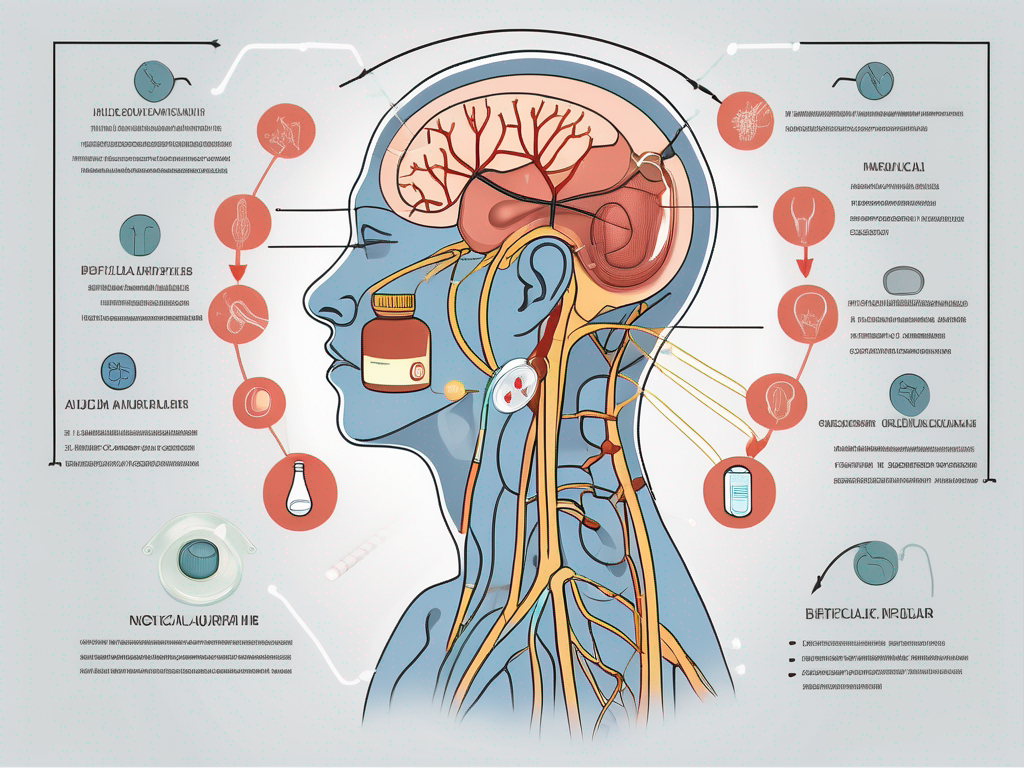
The great auricular nerve is a vital component of our nervous system, responsible for transmitting sensory information from the ear and surrounding areas to the brain. When this nerve is affected by disorders or injuries, proper treatment becomes essential to relieve pain and restore functionality. In this comprehensive guide, we will explore the anatomy and function of the great auricular nerve, common conditions that can affect it, various diagnostic procedures, treatment options, the role of lifestyle changes, and the future of great auricular nerve treatment.
Understanding the Great Auricular Nerve
The great auricular nerve plays a crucial role in delivering sensation from the skin of the ear, parotid gland, and surrounding region to our brain. This sensory innervation enables us to discern touch, temperature, and pain in these areas.
The great auricular nerve, also known as the auricular branch of the cervical plexus, is a significant nerve that provides sensory innervation to specific regions of the head and neck. Understanding its anatomy and function is essential in diagnosing and treating conditions that may affect this nerve.
Anatomy and Function of the Great Auricular Nerve
The great auricular nerve arises from the cervical plexus, specifically from the superficial cervical plexus composed of spinal nerves C2 and C3. It descends along the posterior border of the sternocleidomastoid muscle and branches out to supply the skin of the external ear, angle of the jaw, and the parotid region.
As the great auricular nerve travels along its course, it sends sensory fibers to the skin, allowing us to perceive touch, temperature, and pain in these areas. This nerve plays a vital role in our ability to hear and respond to external stimuli, ensuring our safety and well-being.
In addition to its sensory function, the great auricular nerve also carries sympathetic fibers that regulate blood flow and control sweat production in the skin of the ear and surrounding regions. This autonomic function helps maintain the optimal temperature and moisture levels in these areas.
Damage or compression of the great auricular nerve can result in various symptoms, including numbness, tingling, pain, or a burning sensation in the affected areas. These symptoms can significantly impact an individual’s quality of life, making it crucial to consult a healthcare professional to accurately diagnose and treat these conditions.
Common Conditions Affecting the Great Auricular Nerve
A variety of conditions can affect the great auricular nerve, such as trauma, entrapment, infections, or inflammatory diseases. Trauma to the head and neck region, such as a direct blow or whiplash injury, can lead to nerve damage or compression.
Entrapment of the great auricular nerve can occur due to anatomical variations or abnormal growths, causing the nerve to become compressed or pinched. This can result in symptoms such as pain, numbness, or tingling in the affected areas.
Infections, such as otitis externa or cellulitis, can also affect the great auricular nerve. Inflammatory processes associated with these infections can lead to nerve irritation and subsequent symptoms.
Furthermore, certain inflammatory diseases, such as autoimmune disorders or vasculitis, can cause damage to the great auricular nerve. These conditions can result in chronic pain, sensory disturbances, and other neurological symptoms.
Some individuals may experience neuralgia, a condition characterized by severe facial pain along the distribution of the great auricular nerve. This debilitating condition can significantly impact a person’s daily life and may require specialized treatment approaches.
Others may develop neuritis, an inflammation of the nerve, which can cause pain, swelling, and tenderness in the affected areas. Prompt diagnosis and appropriate management are crucial in preventing further complications and promoting optimal recovery.
Nerve entrapment syndromes like carotidynia, characterized by pain in the neck and jaw region, can also involve the great auricular nerve. These conditions often require a multidisciplinary approach involving healthcare professionals from various specialties to provide comprehensive care.
In conclusion, the great auricular nerve is an essential component of our sensory and autonomic nervous system. Understanding its anatomy, function, and the conditions that can affect it is crucial in diagnosing and managing disorders related to this nerve. If you experience any symptoms or have concerns about the great auricular nerve, it is important to seek medical advice for proper evaluation and treatment.
Diagnosis of Great Auricular Nerve Disorders
Diagnosing great auricular nerve disorders involves a careful evaluation of symptoms, medical history, and physical examination by a healthcare professional. Various medical tests and procedures can help confirm the diagnosis and guide the appropriate treatment plan.
Symptoms to Look Out For
Patients experiencing great auricular nerve disorders may report symptoms such as numbness, tingling, burning pain, or hypersensitivity in the affected areas. Additionally, pain can radiate along the course of the nerve, affecting the jaw, neck, and scalp.
It is important to remember that these symptoms can also arise from other medical conditions, so seeking professional advice is crucial for an accurate diagnosis.
Medical Tests and Procedures
Medical professionals may recommend various tests and procedures to determine the exact cause of great auricular nerve disorders. These may include physical examinations, imaging studies like MRI or CT scans, nerve conduction studies, and blood tests.
Consulting with a healthcare provider and undergoing these diagnostic procedures can help identify the underlying cause and devise an effective treatment plan.
Treatment Options for Great Auricular Nerve Disorders
Treatment for great auricular nerve disorders aims to alleviate pain, improve nerve function, and enhance quality of life. Depending on the specific condition, a combination of therapies may be recommended.
Medication and Drug Therapies
In some cases, medications may be prescribed to manage pain and reduce inflammation associated with great auricular nerve disorders. Commonly used medications include nonsteroidal anti-inflammatory drugs (NSAIDs), anticonvulsants, and antidepressants. These medications should only be taken under the guidance of a healthcare professional.
It is important to note that medication alone may not provide a long-term solution and should be used in conjunction with other treatment modalities.
Physical Therapy and Rehabilitation
Physical therapy can play a crucial role in the recovery process for great auricular nerve disorders. Therapeutic exercises, manual techniques, and electrical stimulation can help improve muscle strength, range of motion, and overall function. A skilled physical therapist can design a customized program tailored to individual needs.
Additionally, complementary therapies such as acupuncture or transcutaneous electrical nerve stimulation (TENS) may provide relief for some patients. However, it is essential to consult with knowledgeable healthcare professionals before pursuing these alternative approaches.
Surgical Interventions
In certain cases, surgical interventions may be necessary to treat severe great auricular nerve disorders. Procedures such as nerve decompression or surgical repair can help alleviate compression, release entrapped nerves, or repair damaged structures. Surgical interventions should always be considered as a last resort and carefully evaluated by qualified surgeons.
It is imperative to seek the guidance of experienced medical professionals to determine if surgery is the appropriate course of action for your specific condition.
The Role of Lifestyle Changes in Managing Great Auricular Nerve Disorders
Alongside conventional treatments, making certain lifestyle changes can contribute to the overall management of great auricular nerve disorders. These changes focus on promoting general well-being and minimizing factors that may exacerbate symptoms.
Diet and Nutrition
Ensuring a balanced and nutritious diet can support overall health and aid in recovery. Incorporating foods rich in vitamins, minerals, and antioxidants can help reduce inflammation and support nerve health. However, it is important to consult with a registered dietitian or healthcare professional to tailor dietary recommendations to individual needs.
Exercise and Physical Activity
Limited physical activity is often recommended during the initial stages of great auricular nerve disorders to reduce pain and facilitate healing. However, once symptoms improve, incorporating appropriate exercises and physical activity can promote circulation, flexibility, and overall well-being. Consulting with a physical therapist can help design an exercise program suitable for individual circumstances.
Stress Management and Mental Health
Stress can exacerbate symptoms associated with great auricular nerve disorders, making stress management an essential component of treatment. Techniques such as relaxation exercises, meditation, and seeking support from mental health professionals can help individuals cope with the challenges they may face.
Remember that lifestyle changes should always be discussed with healthcare professionals to fully understand their impact on your condition.
The Future of Great Auricular Nerve Treatment
Advances in medical technology and ongoing research offer hope for further advancements in great auricular nerve treatment. These innovations aim to improve diagnostic accuracy, refine current therapeutic approaches, and explore promising emerging therapies and treatments.
Advances in Medical Technology
Advancements in imaging techniques and nerve monitoring systems may enhance the precision of surgical interventions, minimizing risks and optimizing outcomes. Additionally, developments in nerve stimulation devices and regenerative medicine hold promise for future treatment modalities.
Emerging Therapies and Treatments
Ongoing research is continually uncovering novel therapeutic approaches for great auricular nerve disorders. These may include targeted drug delivery methods, neuroprotective agents, or innovative therapies that modulate nerve signals.
The Importance of Ongoing Research
Continued research and clinical trials are vital in advancing our understanding of great auricular nerve disorders and refining treatment modalities. Participating in clinical trials can provide access to cutting-edge treatments and contribute to the advancement of medical knowledge.
Always consult with your healthcare provider to stay informed about the latest treatment options and potential advancements in great auricular nerve treatment.
In conclusion, effective treatment for great auricular nerve disorders requires an accurate diagnosis, a comprehensive treatment plan, and collaboration between patients and healthcare professionals. Understanding the anatomy and function of the great auricular nerve, recognizing common conditions, and exploring various treatment options can empower individuals to make informed decisions about their health. It is essential to seek the guidance of healthcare experts and stay informed about advances in the field to ensure optimal care for great auricular nerve disorders.
Leave a Reply