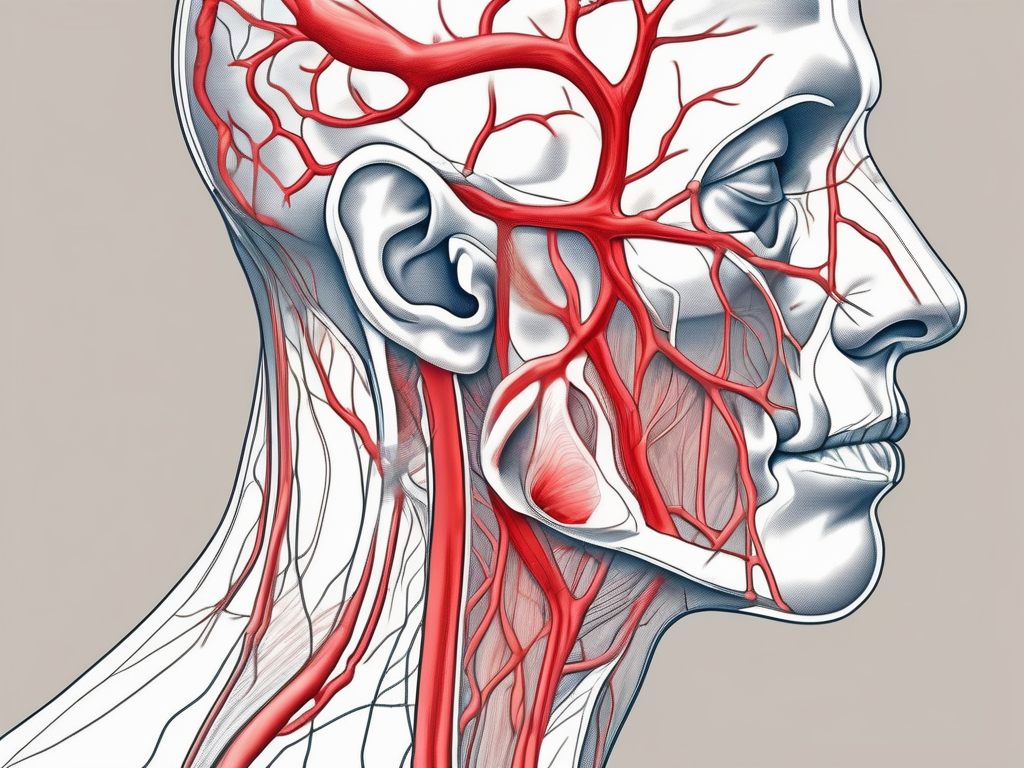
The great auricular nerve is a crucial component of our sensory system. In this article, we will delve into the causes, symptoms, and treatments of inflammation affecting this nerve. Understanding these aspects can help individuals experiencing symptoms associated with the great auricular nerve inflammation seek appropriate medical attention and manage their condition effectively.
What is the Great Auricular Nerve?
The great auricular nerve is a branch of the cervical plexus, a network of nerves originating from the spinal cord’s lower cervical nerves. This particular nerve supplies sensory innervation to the skin of the ear, parotid gland, and parts of the face. Its anatomical course takes it superficially over the sternocleidomastoid muscle before branching out to its intended regions.
The great auricular nerve is a fascinating component of our nervous system. Let’s dive deeper into its anatomy and function to understand its importance in our sensory perception.
Anatomy and Function of the Great Auricular Nerve
The great auricular nerve emerges from the posterior border of the sternocleidomastoid muscle and ascends obliquely to reach the ear’s skin and surrounding areas. Its pathway is a marvel of nature’s design, allowing it to efficiently transmit sensory information from the external environment to our brain.
As a sensory nerve, the great auricular nerve primarily functions by providing us with the ability to perceive touch, temperature, and pain in the ear, parotid gland, and facial regions it innervates. This sensory perception is crucial for our overall well-being and interaction with the world around us.
Importance of the Great Auricular Nerve in Sensory Perception
The great auricular nerve plays a vital role in our sensory system. By relaying crucial sensory information from the ear and adjacent regions to the brain, it enables our perception of the external environment. This nerve’s intricate network ensures that we can feel the gentle touch of a loved one, the warmth of sunlight on our face, and even the warning signs of potential harm.
Disruption or inflammation of the great auricular nerve can have significant consequences. Individuals experiencing issues with this nerve may encounter symptoms such as altered sensation, numbness, tingling, or even pain in the ear, parotid gland, or facial areas it supplies. These symptoms can impact an individual’s quality of life, making daily activities challenging and affecting their overall well-being.
Understanding the importance of the great auricular nerve in sensory perception highlights the need for its proper care and attention. Medical professionals specializing in neurology and otolaryngology play a crucial role in diagnosing and treating conditions that affect this nerve, ensuring that individuals can regain optimal sensory function and enjoy a better quality of life.
Understanding Inflammation in Nerves
Nerve inflammation, also known as neuritis, refers to the irritation or swelling of a nerve. Inflammation in nerves can occur due to various factors and can affect different nerves throughout the body. When the great auricular nerve becomes inflamed, individuals may experience discomfort and disturbances in sensory perception.
The Process of Inflammation
Inflammation is a complex biological response initiated by the body to protect against injury or infection. It is a crucial part of the immune system’s defense mechanism. When inflammation affects a nerve such as the great auricular nerve, it may result from trauma, infection, or an autoimmune response.
Let’s delve deeper into the process of inflammation. When the body detects an injury or infection, it releases chemical signals that attract immune cells to the affected area. These immune cells, such as white blood cells, rush to the site of inflammation to eliminate any potential threats, such as bacteria or viruses.
During this process, the blood vessels near the inflamed area dilate, allowing more blood to flow to the site. This increased blood flow brings with it essential nutrients and oxygen, aiding in the healing process. However, it also contributes to the characteristic redness and swelling associated with inflammation.
Inflammation triggers the release of inflammatory mediators, which are chemical substances that further enhance the immune response. These mediators include histamine, prostaglandins, and cytokines. Histamine, for example, increases blood vessel permeability, allowing immune cells to easily access the affected area. Prostaglandins, on the other hand, promote pain and fever, while cytokines regulate the immune response.
As a result of these inflammatory mediators, individuals may experience pain, swelling, and dysfunction in the affected nerve. The release of prostaglandins can lead to heightened pain perception, making even minor stimuli incredibly uncomfortable. The swelling caused by increased blood flow can compress the nerve, further exacerbating the symptoms.
How Inflammation Affects Nerve Function
When inflammation occurs in the great auricular nerve, it can disrupt the normal transmission of sensory signals to the brain. The inflamed nerve may become hypersensitive, leading to heightened pain perception even with minor stimuli. Additionally, inflammation can impair the nerve’s ability to transmit signals accurately, leading to alterations in sensory perception.
Imagine the great auricular nerve as a highway for sensory information. When inflammation occurs, it’s like road construction causing traffic jams and detours. The inflamed nerve struggles to efficiently transmit signals, resulting in distorted or incomplete information reaching the brain.
These alterations in sensory perception can manifest in various ways. Some individuals may experience numbness or tingling sensations, while others may feel intense pain or a burning sensation. The affected area may also become hypersensitive to touch, temperature, or pressure.
It’s important to note that inflammation in nerves can be temporary or chronic. Temporary inflammation often occurs as a response to an acute injury or infection and resolves once the underlying cause is treated. However, chronic inflammation can persist for long periods, leading to ongoing nerve damage and persistent symptoms.
Understanding the intricacies of inflammation in nerves is crucial for healthcare professionals in diagnosing and managing conditions such as neuritis. By identifying the underlying cause of inflammation and implementing appropriate treatment strategies, it is possible to alleviate symptoms and promote nerve healing.
Causes of Great Auricular Nerve Inflammation
Understanding the underlying causes of great auricular nerve inflammation is crucial in determining appropriate treatment strategies. Inflammation of the great auricular nerve can be caused by various factors, including infections, physical trauma, and autoimmune disorders. Let’s delve deeper into each of these causes to gain a better understanding.
Infections and Their Impact
Infections can cause inflammation in the great auricular nerve. Bacterial or viral infections, such as otitis externa or shingles, can result in nerve inflammation. Otitis externa, also known as swimmer’s ear, is an infection of the outer ear canal that can spread to the great auricular nerve, leading to inflammation. Shingles, caused by the varicella-zoster virus, can also affect the nerve and cause inflammation. It is important to seek medical attention if symptoms of infection, such as redness, swelling, or discharge, are present. Prompt treatment of the underlying infection can help alleviate the inflammation and prevent further complications.
Physical Trauma and Nerve Damage
Physical trauma, such as direct injury or surgery in the region surrounding the great auricular nerve, can lead to inflammation. Accidental trauma, such as a blow to the ear or neck, can cause damage to the nerve, triggering an inflammatory response. Additionally, surgical procedures involving the ear, neck, or parotid gland may inadvertently injure the great auricular nerve, resulting in inflammation. It is important to exercise caution and follow proper safety measures to minimize the risk of physical trauma to the nerve.
Autoimmune Disorders and Nerve Inflammation
Autoimmune disorders, where the immune system mistakenly attacks healthy tissues, can also lead to inflammation of the great auricular nerve. Conditions like rheumatoid arthritis or systemic lupus erythematosus can trigger an immune response affecting the nerve’s integrity. In these disorders, the immune system mistakenly identifies the nerve as a threat and launches an attack, causing inflammation. Managing the underlying autoimmune condition is crucial in reducing nerve inflammation and preventing further damage.
While infections, physical trauma, and autoimmune disorders are common causes of great auricular nerve inflammation, it is important to note that other factors, such as certain medications or underlying medical conditions, can also contribute to nerve inflammation. A comprehensive evaluation by a healthcare professional is necessary to determine the exact cause and develop an individualized treatment plan.
Recognizing Symptoms of Great Auricular Nerve Inflammation
Identifying the symptoms associated with great auricular nerve inflammation is essential for early diagnosis and proper management.
Pain and Discomfort
A common symptom of great auricular nerve inflammation is pain and discomfort in the ear, face, or surrounding regions. The pain may be described as sharp, burning, or radiating and can worsen with touch or movement.
Sensory Changes and Loss of Function
Inflammation can cause alterations in sensory perception, leading to numbness, tingling, or a “pins and needles” sensation in the affected areas. In some cases, individuals may experience a loss of sensation or impaired ability to perceive touch, temperature, or pain.
Visible Signs of Inflammation
Swelling, redness, or warmth in the region supplied by the great auricular nerve may indicate inflammation. These visible signs can help healthcare professionals assess the severity and presence of nerve inflammation.
Diagnostic Procedures for Nerve Inflammation
Diagnosing inflammation in the great auricular nerve requires a comprehensive evaluation by a healthcare professional.
Clinical Examination and History
A thorough physical examination, combined with a detailed medical history, forms the foundation of diagnosing great auricular nerve inflammation. The healthcare provider will assess the presenting symptoms, perform sensory tests, and inquire about potential factors contributing to the inflammation.
Imaging Techniques for Nerve Inflammation
Advanced imaging techniques, such as magnetic resonance imaging (MRI) or computed tomography (CT) scans, may help visualize the nerve’s condition and identify any underlying causes of inflammation. These diagnostic tools provide detailed images of the nerve and surrounding structures, aiding in accurate diagnosis.
Electromyography and Nerve Conduction Studies
Electromyography (EMG) and nerve conduction studies (NCS) are specialized tests that evaluate nerve function. These tests utilize mild electrical impulses to assess the nerve’s conduction speed and the integrity of the neural pathways, assisting in the diagnosis of nerve inflammation.
In conclusion, inflammation affecting the great auricular nerve can cause discomfort, sensory changes, and pain. Understanding the various causes, recognizing the associated symptoms, and undergoing appropriate diagnostic procedures are crucial for accurate diagnosis and effective management. If you suspect great auricular nerve inflammation, it is important to consult with a knowledgeable healthcare professional, who will provide appropriate guidance and treatment options tailored to your specific needs.
Leave a Reply