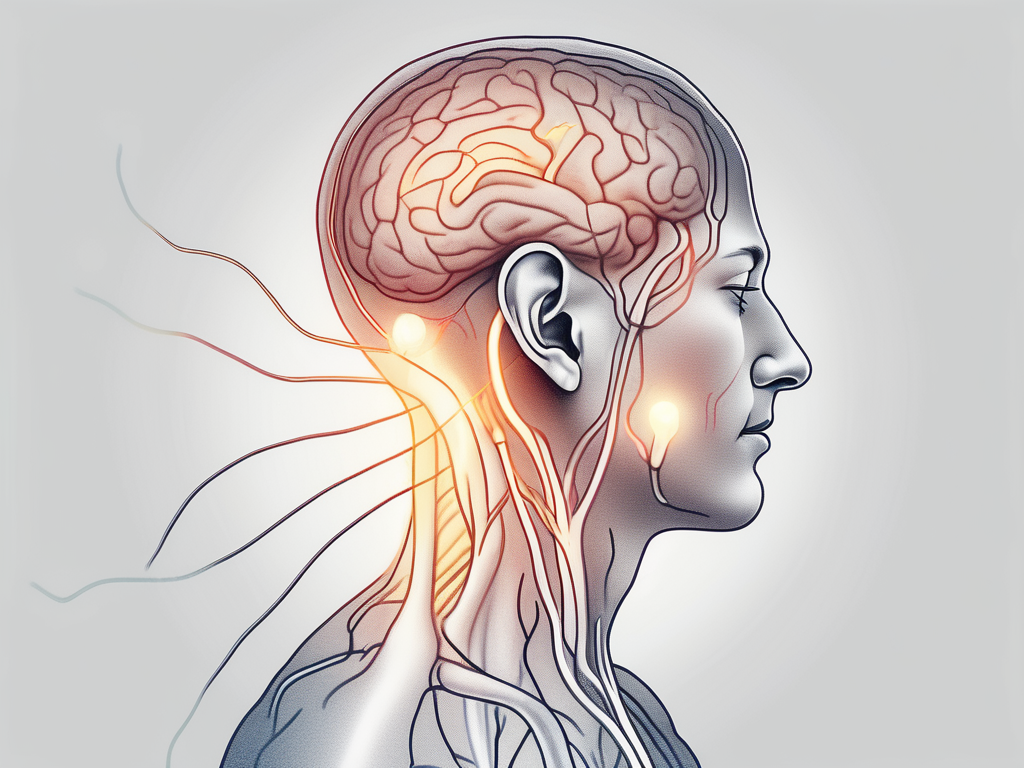
Transdermal Vagus Auricular Nerve Stimulation (tVANS) is an innovative approach that holds great promise in the field of medical treatment. By targeting the vagus nerve through the auricular branch, this non-invasive technique has been shown to have a wide range of therapeutic potential. In this article, we will delve into the science behind tVANS, explore its therapeutic applications, discuss the advantages and challenges of the transdermal approach, evaluate its safety and side effects, and look at the future directions of this exciting field of research.
Understanding Transdermal Vagus Auricular Nerve Stimulation
Transdermal Vagus Auricular Nerve Stimulation (tVANS), as the name suggests, involves stimulating the vagus nerve through the auricular branch, which is located in the ear. The vagus nerve is one of the 12 cranial nerves of the body and plays a crucial role in regulating various bodily functions, such as heart rate, digestion, and immune response. By stimulating this nerve, researchers believe that tVANS has the potential to influence these physiological processes and promote overall health and well-being.
The Science Behind Vagus Nerve Stimulation
Scientific research has revealed that the vagus nerve is intricately connected to various organs and systems in the body. It functions as a communication highway between the brain and these organs, transmitting signals and regulating their activities. Vagus nerve stimulation, including tVANS, aims to modulate this communication, leading to a wide range of therapeutic effects.
The vagus nerve, also known as the “wandering nerve,” is the longest cranial nerve in the body. It originates in the brainstem and extends down to the abdomen, innervating organs such as the heart, lungs, liver, and intestines. This extensive reach allows the vagus nerve to exert significant control over various bodily functions.
When it comes to vagus nerve stimulation, there are different methods and techniques available. One of these methods is transdermal Vagus Auricular Nerve Stimulation (tVANS), which specifically targets the auricular branch of the vagus nerve. This branch extends into the external ear, making it easily accessible for stimulation.
The Role of the Auricular Branch
The auricular branch of the vagus nerve has gained attention in recent years due to its accessibility and potential therapeutic benefits. This branch extends into the external ear and is easily accessible for stimulation. By targeting this specific branch, tVANS offers a convenient and non-invasive way to stimulate the vagus nerve and potentially achieve therapeutic effects.
Research has shown that the auricular branch of the vagus nerve is involved in various physiological processes. It has been found to play a role in regulating heart rate, blood pressure, digestion, and inflammation. By stimulating this branch, tVANS aims to modulate these functions and promote balance within the body.
One of the advantages of targeting the auricular branch is its proximity to the surface of the skin. This allows for transdermal stimulation, where electrodes or other devices can be placed on the skin over the auricular branch to deliver electrical or magnetic impulses. This non-invasive approach eliminates the need for invasive procedures and reduces the risk of complications.
Furthermore, the auricular branch of the vagus nerve is densely innervated with sensory fibers. This means that it is highly sensitive to external stimuli, making it an ideal target for stimulation. By activating these sensory fibers, tVANS can trigger a cascade of physiological responses that can have a positive impact on various bodily functions.
Overall, transdermal Vagus Auricular Nerve Stimulation is an exciting area of research that holds promise for a wide range of therapeutic applications. By understanding the science behind vagus nerve stimulation and the role of the auricular branch, researchers and healthcare professionals can continue to explore the potential benefits of tVANS and its impact on overall health and well-being.
The Therapeutic Potential of Vagus Nerve Stimulation
Transdermal Vagus Auricular Nerve Stimulation (tVANS) has shown promise in various fields of medicine, particularly in the treatment of neurological disorders and mental health conditions. This innovative approach utilizes the power of the vagus nerve to potentially revolutionize the way we address these complex medical issues.
Treating Neurological Disorders
Neurological disorders, such as epilepsy and migraines, have long posed challenges for patients and healthcare professionals alike. Traditional treatment approaches often involve medications that may have limitations and side effects. However, tVANS offers a new avenue of treatment with its potential to modulate the vagus nerve and impact neurological functions.
The vagus nerve, also known as the “wandering nerve,” is a crucial component of the autonomic nervous system. It plays a vital role in regulating various bodily functions, including heart rate, digestion, and inflammation. By stimulating the vagus nerve through tVANS, researchers hope to influence the intricate network of neural pathways and potentially alleviate the symptoms associated with neurological disorders.
While further research is needed to establish its efficacy, early studies have shown promising results. For instance, a recent clinical trial involving patients with epilepsy demonstrated a reduction in seizure frequency after undergoing tVANS therapy. This exciting development opens up new possibilities for individuals who have struggled to find effective treatments for their neurological conditions.
Potential in Mental Health Treatment
Mental health conditions, including depression and anxiety disorders, are a global burden affecting millions of people. The management of these conditions often involves a combination of therapy and medication. However, tVANS has emerged as a potential adjunctive treatment option that holds great promise in the field of mental health.
Depression, characterized by persistent feelings of sadness and a loss of interest in activities, can be debilitating for those affected. Similarly, anxiety disorders can significantly impact an individual’s daily life, leading to excessive worry and fear. While therapy and medication remain essential components of treatment, tVANS offers a unique approach by targeting the vagus nerve.
By stimulating the vagus nerve, tVANS may help regulate mood and alleviate symptoms associated with mental health disorders. The vagus nerve has direct connections to key brain regions involved in emotional regulation, such as the amygdala and prefrontal cortex. Through targeted stimulation, researchers aim to modulate these brain regions and restore balance to the intricate neural circuitry involved in mood regulation.
It’s important to note, though, that tVANS should never be used as a substitute for standard treatments. Consulting with a healthcare professional is essential to determine the most appropriate course of action for each individual. However, the potential of tVANS as an adjunctive therapy offers hope for those who have not found relief through traditional treatment methods alone.
In conclusion, tVANS represents a promising frontier in medical research and treatment. By harnessing the power of the vagus nerve, this innovative approach has the potential to transform the lives of individuals with neurological disorders and mental health conditions. As further studies are conducted and our understanding of the vagus nerve deepens, we may unlock even more therapeutic applications for this remarkable treatment modality.
The Transdermal Approach: Advantages and Challenges
One of the significant advantages of tVANS is its non-invasive nature. Unlike other forms of vagus nerve stimulation, such as invasive surgical procedures or implants, tVANS can be delivered externally through the auricular branch. This non-invasive approach offers convenience, safety, and potential cost savings.
Benefits of Non-Invasive Stimulation
The non-invasive nature of tVANS makes it an attractive option for patients who may be hesitant to undergo surgical procedures or have concerns about implants. By simply placing electrodes on the auricular branch, the stimulation can be administered without any surgical intervention, reducing the associated risks and potential complications.
Overcoming Technical Obstacles
Despite its advantages, tVANS also presents technical challenges that need to be addressed. Proper electrode placement, accurate stimulation parameters, and individualized treatment protocols are all areas of ongoing research. As the field progresses, technical obstacles will be overcome, and the precise delivery of transdermal stimulation will become more refined.
Safety and Side Effects of Transdermal Vagus Nerve Stimulation
Ensuring the safety of any medical intervention is paramount. Transdermal Vagus Auricular Nerve Stimulation has undergone extensive evaluation to assess its safety profile.
Evaluating the Safety Profile
Multiple studies have been conducted to investigate the safety of tVANS. Overall, the results have been promising, with no serious adverse events reported. However, it’s important to note that individual responses to tVANS may vary, and consulting with a healthcare professional is crucial before initiating any treatment.
Common and Rare Side Effects
Like any medical intervention, tVANS may have side effects, although they are generally mild and transient. Common side effects reported include skin irritation at the electrode site and mild discomfort during stimulation. However, it’s essential to monitor patients closely and promptly address any unusual or severe side effects that may arise.
Future Directions for Transdermal Vagus Nerve Stimulation
As we continue to unravel the potential of Transdermal Vagus Auricular Nerve Stimulation, ongoing research and clinical trials are exploring new applications and refining existing treatment approaches.
Ongoing Research and Clinical Trials
Scientists and healthcare professionals are actively investigating the efficacy of tVANS in various medical conditions. Ongoing research and clinical trials aim to establish its effectiveness as a standalone or adjunctive therapy. These studies will provide the necessary evidence to guide treatment strategies and optimize patient outcomes.
Potential New Applications in Medicine
The versatility of tVANS opens up possibilities for new applications in medicine. Researchers are exploring its potential benefits in areas such as chronic pain management, sleep disorders, and gastrointestinal conditions. By harnessing the power of transdermal vagus nerve stimulation, we may unlock new therapeutic approaches and improve the lives of patients across a wide spectrum of conditions.
In conclusion, Transdermal Vagus Auricular Nerve Stimulation holds immense potential in the field of medicine. By understanding the science behind vagus nerve stimulation and the role of the auricular branch, we can appreciate the therapeutic applications of tVANS in treating neurological disorders and mental health conditions. The non-invasive nature of transdermal stimulation offers advantages in terms of patient acceptance and safety, although technical challenges need to be addressed. Ensuring safety and monitoring for side effects are essential aspects of any medical intervention. As further research and clinical trials progress, we anticipate the expansion of tVANS into new medical domains, transforming the landscape of modern healthcare. Consultation with healthcare professionals is crucial for individuals seeking tVANS treatment, as they can provide personalized guidance based on their knowledge and expertise.
Leave a Reply