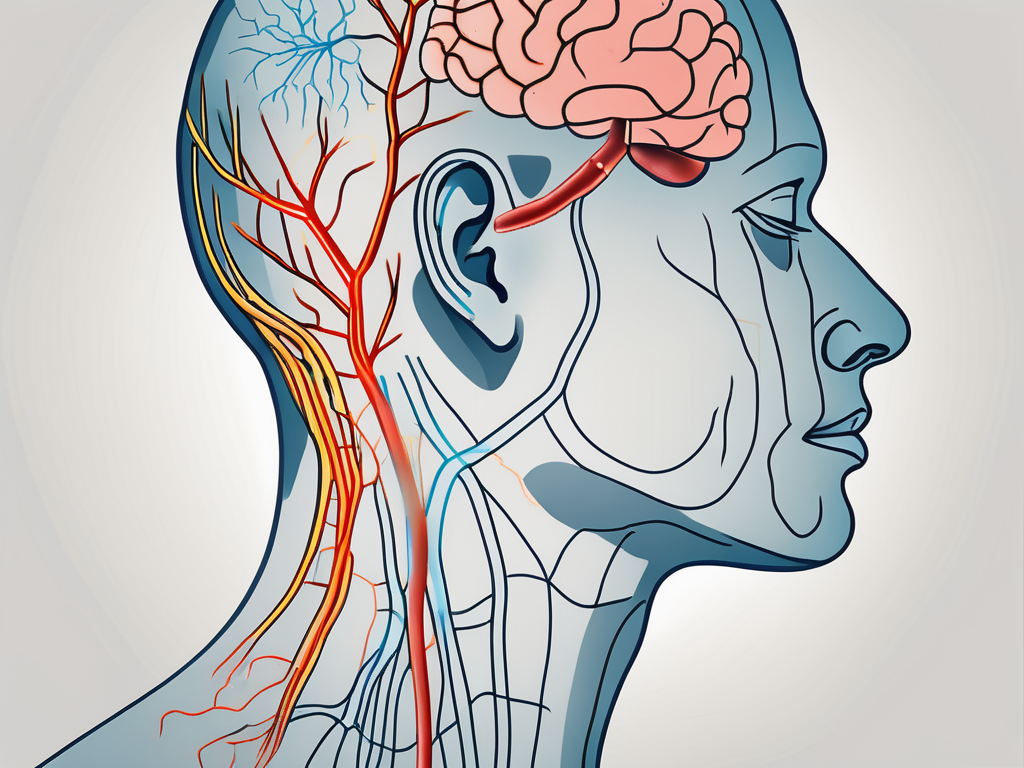
The Great Auricular Nerve plays a crucial role in innervating the skin of the external ear and parts of the face. Disorders affecting this nerve can cause pain, discomfort, and impact the quality of life for individuals. Fortunately, there are various treatment options available to address these issues and provide relief. In this article, we will delve into these treatment options, their benefits, and their potential risks.
Understanding the Great Auricular Nerve
The Great Auricular Nerve, originating from the cervical plexus, is a sensory nerve responsible for providing sensation to the skin on the posterior aspect of the external ear, as well as the areas around the parotid gland. This nerve also plays a role in regulating blood flow and controlling moisture in the skin. When this nerve is affected by disorders or injuries, it can lead to pain, numbness, and altered sensation in the affected areas.
Anatomy and Function of the Great Auricular Nerve
The Great Auricular Nerve arises from the cervical plexus, specifically from the C2 and C3 nerve roots. It travels superficially along the sternocleidomastoid muscle before dividing into branches that supply sensation to the external ear and adjacent regions. Understanding the anatomy of this nerve is essential in diagnosing and treating related disorders.
The cervical plexus, where the Great Auricular Nerve originates, is a network of nerves located in the neck region. It is formed by the ventral rami of the upper cervical spinal nerves. These nerves play a crucial role in transmitting sensory information from the neck, scalp, and shoulders to the brain. The Great Auricular Nerve, being a part of this intricate network, carries specific sensory information from the external ear and surrounding areas.
The sternocleidomastoid muscle, which the Great Auricular Nerve travels along, is a large muscle located on the side of the neck. It has a prominent role in neck movement and stabilization. This muscle is innervated by the accessory nerve, another important nerve in the cervical region. The close proximity of the Great Auricular Nerve to the sternocleidomastoid muscle highlights the complex interconnections between different nerves and muscles in the neck.
Common Disorders Affecting the Great Auricular Nerve
Several disorders can affect the Great Auricular Nerve, including nerve entrapment syndrome, inflammation, trauma, and infections. Nerve entrapment, often caused by compression from surrounding structures, can result in pain, tingling, and decreased sensation. Inflammation and infections can also lead to similar symptoms, impacting an individual’s daily activities and overall well-being.
Nerve entrapment syndrome occurs when the Great Auricular Nerve gets compressed or trapped between muscles, bones, or other tissues. This can happen due to poor posture, repetitive movements, or trauma. The compression can disrupt the normal functioning of the nerve, leading to various sensory abnormalities in the affected areas. Prompt diagnosis and treatment are crucial to alleviate symptoms and prevent further complications.
Inflammation of the Great Auricular Nerve can occur as a result of various factors, such as autoimmune disorders, viral or bacterial infections, or direct injury. Inflammatory conditions like neuritis can cause pain, swelling, and tenderness along the path of the nerve. These symptoms can significantly impact an individual’s quality of life and may require medical intervention for proper management.
Trauma, such as a direct blow to the neck or head, can also affect the Great Auricular Nerve. The forceful impact can cause damage to the nerve fibers, leading to pain, numbness, and altered sensation. Depending on the severity of the trauma, recovery time and treatment options may vary. Rehabilitation exercises and pain management techniques are often employed to aid in the healing process.
Infections, such as cellulitis or abscesses, can also involve the Great Auricular Nerve. These infections can cause localized pain, redness, and swelling in the affected area. Prompt medical attention is necessary to prevent the spread of infection and to alleviate symptoms associated with nerve involvement.
Non-Surgical Treatment Options
Non-surgical treatment options are often the first line of defense for addressing disorders affecting the Great Auricular Nerve. These approaches aim to alleviate symptoms, improve function, and minimize discomfort.
The Great Auricular Nerve, also known as the auricular branch of the cervical plexus, is a sensory nerve that provides innervation to the skin over the external ear and the angle of the mandible. When this nerve is affected by a disorder, it can result in pain, numbness, and tingling in the distribution of the nerve.
Fortunately, there are various non-surgical treatment options available that can help manage these symptoms and promote healing.
Medication Therapies
Medications such as nonsteroidal anti-inflammatory drugs (NSAIDs), neuropathic pain medications, and corticosteroids may be prescribed to reduce inflammation, alleviate pain, and promote nerve healing. NSAIDs, such as ibuprofen, can help reduce pain and inflammation by inhibiting the production of prostaglandins, which are responsible for pain and inflammation. Neuropathic pain medications, such as gabapentin, can help relieve nerve pain by modulating the transmission of pain signals. Corticosteroids, such as prednisone, can reduce inflammation and suppress the immune response, which can be beneficial in certain nerve disorders.
It is crucial to consult with a healthcare professional before starting any medication regimen, as they can assess your specific condition and determine the most appropriate medication and dosage for you.
Physical Therapy and Rehabilitation
Physical therapy and rehabilitation can play a significant role in the recovery process for disorders affecting the Great Auricular Nerve. Through targeted exercises, manual therapy, and other techniques, physical therapists can help improve range of motion, reduce pain, and facilitate nerve healing.
During physical therapy sessions, therapists may use techniques such as stretching, strengthening exercises, and nerve gliding exercises to improve the flexibility and strength of the affected area. Manual therapy techniques, such as soft tissue mobilization and joint mobilization, can help reduce muscle tension and improve joint mobility. Additionally, modalities such as heat therapy, electrical stimulation, and ultrasound may be used to further promote healing.
A customized rehabilitation program may be recommended by your healthcare provider, taking into account your specific condition, symptoms, and goals. This program may involve regular sessions with a physical therapist and home exercises to continue progress between sessions.
Alternative Treatments
In addition to conventional treatments, some individuals find relief from alternative therapies such as acupuncture, chiropractic care, and holistic approaches. Acupuncture, an ancient Chinese practice, involves the insertion of thin needles into specific points on the body to stimulate energy flow and promote healing. Chiropractic care focuses on the alignment of the spine and other joints to improve overall health and alleviate pain. Holistic approaches, such as dietary changes, stress management techniques, and herbal supplements, aim to address the underlying causes of the disorder and promote overall well-being.
While these methods may offer temporary relief for some individuals, it is essential to consult with a healthcare professional to ensure these options align with your specific condition and overall treatment plan. They can provide guidance on the safety and effectiveness of these alternative treatments and help you make informed decisions about your healthcare.
In conclusion, non-surgical treatment options for disorders affecting the Great Auricular Nerve are diverse and aim to address symptoms, improve function, and promote healing. Medication therapies, physical therapy and rehabilitation, and alternative treatments can all play a role in managing these disorders. It is important to work closely with a healthcare professional to develop a comprehensive treatment plan tailored to your specific needs and goals.
Surgical Treatment Options
When non-surgical treatments fail to provide adequate relief or in severe cases, surgical intervention may be considered. Surgical treatment options aim to alleviate compression, repair damaged nerves, and restore functionality.
Nerve Decompression Surgery
Nerve decompression surgery involves releasing the nerve from any entrapment or compression by surrounding tissues. The goal of this procedure is to relieve pressure on the Great Auricular Nerve, allowing for improved nerve function and reduced symptoms. Discussing the potential risks and benefits of this surgery with a qualified healthcare professional is crucial.
Nerve Transposition Surgery
In cases where compression is severe or prolonged, nerve transposition surgery may be recommended. This procedure involves moving the affected nerve to a new location, away from the source of compression. While this surgery may provide relief for some individuals, it is essential to understand the potential risks and consult with a specialist before considering this option.
Risks and Benefits of Surgical Intervention
Like any surgical procedure, there are inherent risks associated with surgical treatment options for the Great Auricular Nerve. These risks can include infection, bleeding, nerve damage, and scarring. It is crucial to have a thorough discussion with a healthcare provider to understand the potential benefits and analyze the individual risks for your specific case.
Post-Treatment Care and Recovery
After receiving treatment for Great Auricular Nerve disorders, post-treatment care and recovery play a crucial role in optimizing outcomes and ensuring long-term improvement.
Pain Management Post-Treatment
Managing pain during the recovery process is vital. Your healthcare provider may prescribe pain medication or suggest alternative pain management techniques such as heat/cold therapy or transcutaneous electrical nerve stimulation (TENS). Open communication with your healthcare team regarding pain levels and treatment effectiveness is essential.
Rehabilitation and Physical Therapy Post-Treatment
A comprehensive rehabilitation and physical therapy program can aid in regaining strength, promoting nerve healing, and improving overall function. Your healthcare provider may recommend specific exercises, therapies, and lifestyle modifications to support your recovery journey.
Long-Term Prognosis and Quality of Life
While each case is unique, the prognosis for individuals with Great Auricular Nerve disorders can vary. Many individuals experience significant improvement in symptoms and overall quality of life with appropriate treatment and rehabilitation. Collaborating closely with your healthcare team and following their guidance can help you achieve the best possible long-term outcome.
In conclusion, effective treatment options for Great Auricular Nerve disorders exist to address the associated symptoms and improve quality of life. From non-surgical approaches to surgical interventions, each treatment option carries its own set of benefits and risks. Consulting with a qualified healthcare professional is essential to understand your specific condition, explore suitable treatment options, and make informed decisions regarding your health and well-being.
Leave a Reply